Key Information
Construction
c. 1067
Castle Type
Current Status
11th to 14th century
Historical Overview
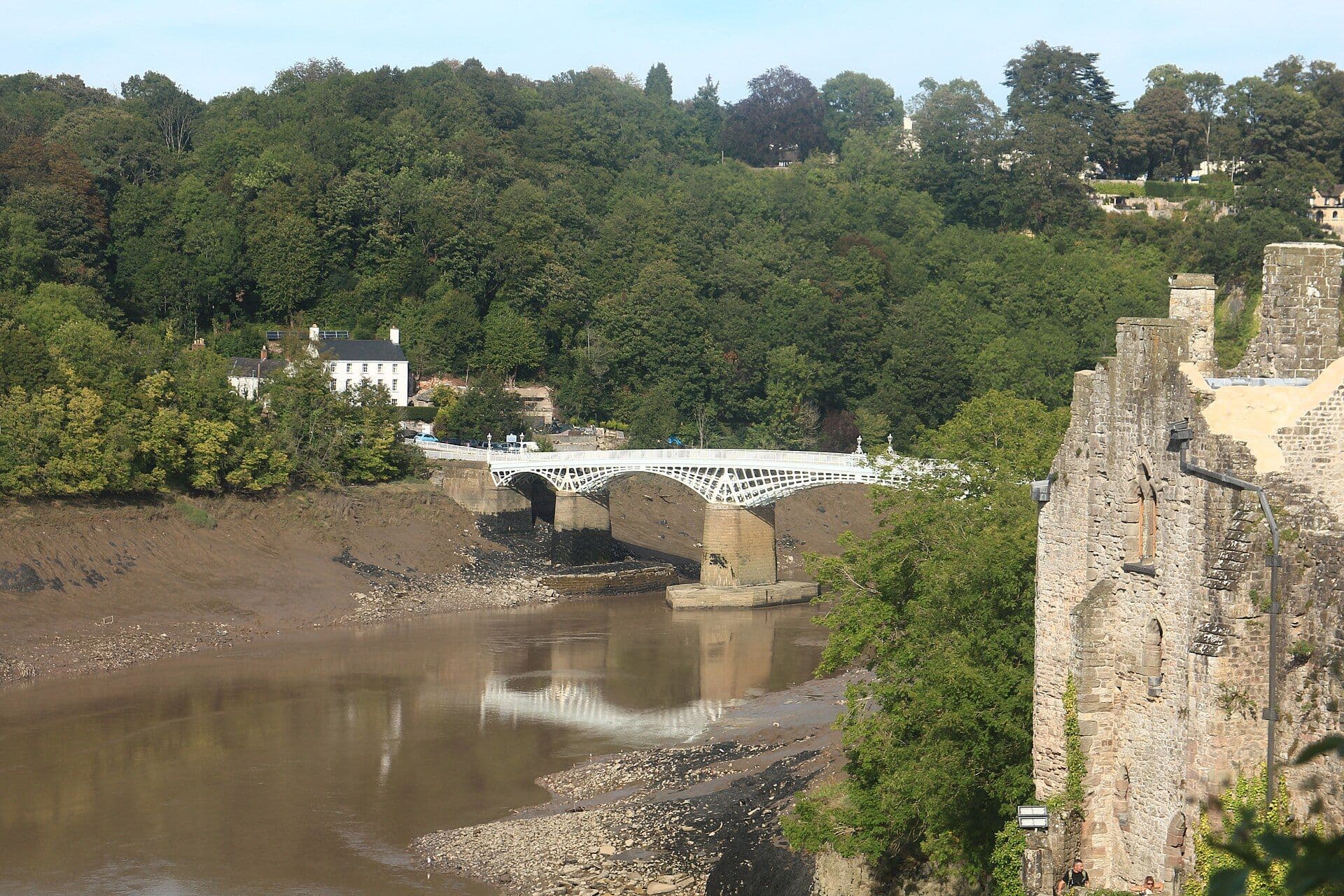
Chepstow Castle (Welsh: Castell Cas-gwent) at Chepstow, Monmouthshire, Wales, is the oldest surviving post-Roman stone fortification in Britain. Located above cliffs on the River Wye, construction began in 1067 under the instruction of the Norman Lord William FitzOsbern. Originally known as Striguil, it was the southernmost of a chain of castles built in the Welsh Marches, and with its attached Lordship of Striguil took the name of the adjoining market town in about the 14th century. In the 12th century the castle was used in the conquest of Gwent, the first independent Welsh kingdom to be conquered by the Normans. It was subsequently held by two of the most powerful Anglo-Norman magnates of medieval England, William Marshal and Richard de Clare. However, by the 16th century its military importance had waned and parts of its structure were converted into domestic ranges. Although re-garrisoned during and after the English Civil War, by the 1700s it had fallen into decay. With the later growth of tourism, the castle became a popular visitor destination. The ruins were Grade I listed on 6 December 1950.
Help Improve This Page
Help to document and preserve British castle heritage for future generations.
Share your photographs
Write and review content
Support the project